

As a pretty active concert-goer, I feel like no matter what artist you’re going to see, there’s always a feeling right in the middle of the concert that feels like a sense of belonging. I’m not sure if it’s just me, but every time I see one of my favorite artists, there’s a moment where I just stop and think that this is what I live for. You’re surrounded by strangers with whom you know you have something in common, because if not, why would you be at the same concert? Nothing else in the world matters at that moment besides the music. It’s hard to explain to someone who’s never been to a concert or been in a room with strangers who you somehow connect with. After that excitement goes away, I always think about how it must feel to be the musician performing. What does it feel like to have an arena full of fans singing your songs? Watching the Superbowl half-time show this year was one of the few instances where I wasn’t in a room full of fellow fans thinking this question. I wasn’t in a concert setting by any means. I was 1 of the 133.5 million viewers who tuned in to watch Kendrick Lamar’s performance and it made me wonder, what did it feel like to be in the Caesars Superdome and hear nearly 66,000 people call Drake a pedophile? Of course, being any artist and hearing others sing along with you to your music must be special but having THAT many people sing along to a diss track that was released over half a year earlier is just a whole different ballpark.
The Power of Music and Message
Of course, Kendrick’s half-time performance was the craziest way to declare the winner of the months-long rap beef between him and Drake, but it was so much more than that. Through his powerful lyrics and dynamic stage presence, Lamar delivered a message about the struggles and triumphs of the Black experience, reinforcing hip-hop’s role as a vehicle for activism. By blending artistry with activism, Lamar ensured that millions of viewers not only witnessed an incredible musical display but also engaged with deeper themes of identity, perseverance, and the ongoing fight for justice. His halftime show was more than entertainment—it was a statement on history, culture, and the power of music to inspire change. That brings us to an even more broad topic within the music community. Music is powerful- whether you enjoy a song or not. It can bring people together in so many different ways. It can also be a call to action, which is what 133.5 million viewers witnessed the night of the Superbowl.
If you liked Superbowl LIX, then you’ll love…
As much as I’d love to go into detail about Kendrick Lamar’s performance and what each and every subtle (or not-so-subtle) piece meant, that’s not what this post is about. This post is to showcase four songs that should remind people that the fight is never over. What better time to do that than Black History Month? Below are songs by black artists that I think fans of Kendrick Lamar’s half-time performance should listen to. I tried to pick these songs based on what I listen to on a day-to-day basis. Anyone can look up “songs that represent black history month” and get a few answers, so I wanted to pick songs that aren’t as mainstream. Just because it isn’t mainstream doesn’t mean it’s any less important.
- “Mos Definitely” by Logic
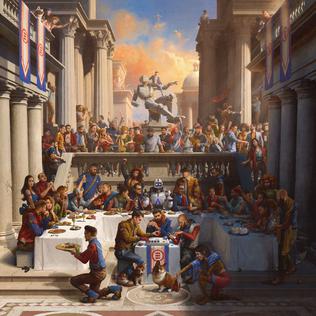
I’m starting this list off with one of my favorite rappers. This song was released in May of 2017 and is the 8th track on his album titled, Everybody. The song references how hard it is to move forward in America and is a representation of how when you walk one step forward, something happens and you take 2 steps back. Logic mentions what it’s like to be full of hope in a world that is designed to make black people fail. I love this song and this entire album. Not to sound dramatic, but this album came out during the last few months of my freshman year. I was 14 and that’s an age where you’re still trying to find out who you are as a person (and arguably are doing that for the rest of your life). I was clueless about the real world and what was ahead, but this album seemed to make me understand in a sense. During Logic’s press run for this album, he would say “I’m literally fighting for the equality of every man, woman and child regardless of race, religion, color, creed, and sexual orientation and here to spread a message of peace, love, and positivity.” This was during every interview and every performance. As a 14-year-old, this is one of the albums that shaped me into who I am today… the most empathetic, sappy person you’ll ever meet and I hope you get the same feeling I did when I first listened to this song.
- “Black Like Me” by Mickey Guyton
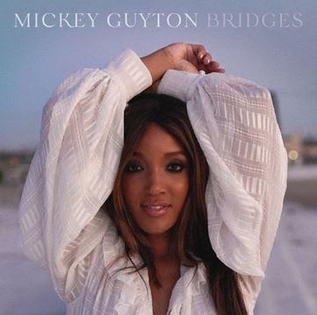
The next song is a country song that I heard for the 1st time during an award show. I had never heard it prior or even heard of the woman who sings this song, but she left an impression on me that night. Mickey Guyton’s “Black Like Me” was released in 2020 on her Bridges EP. The premise of this song is in the title. America is considered one of the most powerful and wealthy countries in the world and was originally created as a “land free from persecution and religious intolerance.” Somehow, the sense of freedom is lost if you’re black in America. Throughout the song, Mickey shares her own experiences of racism and inequality, contrasting what the “American Dream” is supposed to look like. Hearing this song for the first time was moving, not only because of the obvious message, but because it’s a country song and it’s been very evident in recent years that black country artists aren’t shown the same respect as others.
- “Lord is Coming” by H.E.R. (feat. Cordae)
The next song on the list makes you feel like you’re at an open poetry night at some bar. I’d like to make a disclaimer that I’ve never been to a poetry reading, but if they all sounded and felt like this then I’d be there every week. This song is from another one of my favorite albums titled I Used to Know Her, released in 2019. It’s the final song on the album and in my opinion, she saved one of the best for last. It’s a powerful and thought-provoking track that blends spoken word and soulful melodies to deliver a message about social injustice, corruption, and the need for change. The song critiques issues such as racism, political oppression, and the moral decline of society, urging listeners to wake up to the realities of the world. There’s not just one artist speaking on the moral issues of the world, but two. Cordae talks about the failures of political systems, the widening wealth gap, and the exploitation of the poor. He makes it clear that greed and materialism plague society. Cordae and H.E.R. have multiple songs together and each one is better than the last. “Lord Is Coming” is more than just a song—it’s a plea for justice and a reminder that change must come, whether through human action or spiritual intervention. I attached the link to the live performance below, just because it feels even more raw than the studio version.
- “Neighbors” by J. Cole

I know I said I wouldn’t make mainstream choices. I know J. Cole is one of the most well-known rappers of the last 10-ish years but there are specific reasons I picked this song. One- J. Cole is lyrically the closest thing we have to Kendrick Lamar and why not make this post a full circle moment by mentioning one of the big three in the rap game right now. Two- this song is a great instance where only hearing 3 seconds of a song and making judgments based on those 3 seconds is so detrimental. I’d like to give a quick shout-out to my stepdad for this story. This song is from J. Cole’s fourth studio album 4 Your Eyes Only and was released in December of 2016. Anyone who knows me knows I’m a pretty dedicated fan once I start liking an artist. Once I start listening to them, my family has to hear about them non-stop. When this song became a little more popular, my stepdad and I talked about it. He told me he didn’t like it because J. Cole was promoting drug usage and drug dealing. The chorus of the song is, “I think the neighbors think I’m selling dope.” For the first listen, I totally understand. It sounds bad and can be misleading, but the actual meaning of the song is to highlight racial profiling and the systemic prejudices faced by Black individuals, even those who achieve success. Just as fast as my stepdad immediately profiled the song based on a few words, Black people are profiled that quick daily. Making that assumption is just as detrimental as someone assuming a black person is doing wrong just because they’re black. “Neighbors” serves as a critique of racial bias and a reminder that, despite financial success, Black individuals are still subjected to discrimination and unjust assumptions.
Happy Black History Listening
I hope this post finds the right audience. I always think it’s important to reflect on how important music is and how it remains a powerful force in storytelling and activism. The songs highlighted in this post are just a glimpse into the vast influence of Black artists who have shaped history and continue to inspire generations. Whether through soulful anthems, protest songs, or uplifting melodies, these tracks remind us of the resilience, creativity, and strength of the Black community. As you listen, take the time to reflect on the messages within the music and explore more artists who have contributed to this rich musical legacy. Black history is alive in every note, every lyric, and every beat—so keep listening, learning, and celebrating. Happy Black History Month!
Discover more from VinylVibe
Subscribe to get the latest posts sent to your email.
 VinylVibe
Wow! This is a must read! Im so impressed with the way the author explains each song. Its obvious she is a true music lover! I look forward to the next one! Keep writing sister!
LikeLiked by 1 person