
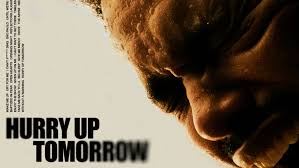
In the Merriam-Webster dictionary, the term “genre” is described as “A category of artistic, musical, or literary composition characterized by a particular style, form, or content.” That definition means very little to me when music is the main topic, and it’s not because I don’t think it’s true. I believe that music genres can have more pieces than that. The simple way I think of genres is that they’re a box that artists get placed in. I think it’s important to note that some songs can be multiple genres simultaneously. My issue doesn’t lie in the categorizations themselves, because what do you tell people when they ask you what kind of music you listen to? Of course, you might name an artist or two, but those artists align with some genre. The issue with the word “genre” is due to the music industry. Just because an artist starts their career in one genre doesn’t mean they have to continue making that style of music their entire career, yet well-known artists whose careers span over 10 years are being thrown into a genre box when their music sounds nothing like it did 10+ years ago. In this post, I will dive into a specific example of how an artist was thrown into a genre box and was never able to escape (or maybe never wanted to escape), and how this categorization can hurt a specific group of people.
Evolution of The Weeknd
There are just some artists that you can’t turn on the radio without hearing. Whether it be a Pop or Hip-Hop/R&B station, The Weeknd is someone you hear every hour, and it’s been that way for years. Emerging in 2011 with haunting mixtapes like House of Balloons, he introduced a dark, atmospheric sound that blended emotional vulnerability with moody production. As his career progressed, he began incorporating more mainstream elements that sounded more like synth-heavy pop with hits “Can’t Feel My Face” and “Blinding Lights.” If you listen to his earlier singles “Wicked Games” and “Earned It,” you can obviously hear the R&B influence, and throughout the albums these singles are on, it’s evident that the entire albums can be labeled as such. When we get to The Weeknd’s more recent projects, it becomes confusing what kind of artist he considers himself to be.
The Weeknd’s Final Album?
The Weeknd is a great example of an artist with longevity whose music is 100% mislabeled. Before I came up with the idea for this post, I listened to The Weeknd’s most recent album, Hurry Up Tomorrow. Although I wasn’t highly impressed with his release before this one, Hurry Up Tomorrow was highly anticipated, and I’ve always been a fan of his, so it was a must-listen. I will try to veer away from this post becoming a review of this new album, but how can I give examples of an artist’s changes over time without context, right?
Let’s start with a basic description of the album from Apple Music. The music streaming service describes the album as a “deceptively sweet R&B slow-burner.” It consists of 22 tracks and has been rumored to be his last studio album. Many critics say it’s a great farewell to his career and is one of his best projects. I’m unsure if it’s based on production quality, lyrics, or even the visuals that align with the music, but I know one thing. It wasn’t for me. Before I explain why, I’d like to note that I’m not calling Hurry Up Tomorrow a bad album because the word “bad” is arbitrary and could mean anything. Recently, I’ve tried to break the habit of saying music is bad; it just may not be meant for me. Music is a multitude of things, and what someone likes is completely subjective. That said, I’m confused about who this album was made for. The marketing for this album was centered around this being The Weeknd’s final project and that it would tie into his first project, which was released in 2011. This was supposed to be for “the OG fans,” the fans who have witnessed his growth and supported his change over the years. I was excited for this release because it felt like a full-circle moment. What I learned while listening to this album is that either I’ve misread The Weeknd for over 10 years and have never really grasped his artistry, or this album had nothing to do with the start of his career and misled a lot of people, including me.
Don’t get me wrong, there were good elements to this album. The transitions from one song to the next were one of the most memorable things I remember. There are tracks that I enjoyed enough to download to my playlist, but as a whole… I wouldn’t consider this to be one of the Weeknd’s greatest albums. As I mentioned before, there are 22 songs on the project, and out of the 22, I liked three. I even tried to wait a few weeks and give it a 3rd and 4th listen because sometimes that’s what it takes to get the feeling or message trying to be portrayed, yet the feeling never came. My list as to why I didn’t enjoy it would be much longer than the qualities I did, but the one thing that really stood out to me is that 90% of the album wasn’t R&B.
Hurry Up Tomorrow Is R&B?
I started this post by giving my definition of genre. I understand why musical genres exist. I also understand why artists tend to align with one specific genre. It’s almost like the industry doesn’t want people to evolve; probably because the industry molds artists into what they want them to be instead of letting their real artistic talent shine, but that’s a conversation for another time. The real issue I have with genres is that being tied to a specific sound of music means you’re stuck in a box for life. When I say stuck in a box, I don’t mean literally stuck making the same kind of music forever. I’m referring to stuck like The Weeknd. The man’s last three projects were 10% R&B and 90% something else, yet all of those projects were labeled R&B.
Characteristics of R&B music include rhythm and blues elements (hinting at the term R&B), soulful vocals, and an emotive delivery. It’s a genre rooted in soul, love, and vulnerability, often showing feelings of longing, passion, heartbreak, or sensuality. Lyrically, this album can possibly be labeled as R&B, but it takes more than that. I recognize that popular, modern R&B sounds nothing like R&B from the ’90s or early 2000s, but those soulful, rich vocals and deeply expressive rhythms still come through when listening to modern R&B. Did any of that show during Hurry Up Tomorrow? I guess that’s up for debate because obviously the industry still thinks it did. This album is closer to EDM, meaning Electronic Dance Music, than it is to R&B. There’s rhythm, but no blues.
Why are we calling an album something that it’s not? Some might say it’s minuscule and not something to really be bothered by. Some might say I’m reading too much into the situation, that we have bigger problems when talking about the music industry. Try and follow along with me on why this could be one of the most detrimental parts of the industry for certain artists.
Racial Bias and Genre Expectations

Black musical artists have long faced restrictive expectations to stay within certain genres, particularly hip-hop, R&B, or soul, due to deeply rooted racism and stereotypes in the music industry. These boundaries are not just stylistic but racialized, reflecting a belief that Black artists “belong” to certain sounds while being less legitimate in genres like country, rock, or indie. When Black musicians try to branch out, they are often met with skepticism, a lack of industry support, or accusations of abandoning their roots, even though their creativity spans far beyond these imposed limits. This genre-boxing not only stifles artistic freedom but also reinforces a false narrative that music is racially owned, denying the full scope of Black talent and erasing the fact that many genres, like rock and country, were heavily shaped by Black pioneers in the first place.
I started this article with an artist like The Weeknd because he’s one of the biggest artists of this 2010s and is a perfect example of what genre-boxing looks like for black people in America, but the main artist that people think of when discussing this topic isn’t The Weeknd… It’s Beyoncé. Beyoncé is a powerful example of how genre-boxing and racism persist in the music industry, despite her status as one of the most influential artists of her generation. Many people became aware of the whole Beyoncé v. Country Music Industry situation last year when her most recent album, Cowboy Carter, was released, but this conflict dates back even further than most people realize. When she released her 2022 album Renaissance, which leaned heavily into house and dance music, some critics and listeners questioned her shift away from traditional R&B or pop, as if her artistic range needed justification. Similarly, her country-influenced single “Daddy Lessons” from Lemonade was rejected by the Country Music Association for nomination, even though the song fits squarely within the genre’s framework. These reactions highlight a double standard: while white artists are often celebrated for genre experimentation, Black artists like Beyoncé are expected to remain in racialized musical lanes. Her experiences show how racial bias still limits the way Black creativity is received and validated in mainstream spaces.
Conclusion
I understand that this entire post might go over some people’s heads, but I hope it finds the right audience. There are so many artists, not only in recent years, but also 20-30 years ago, who have been mislabeled because society is scared of black artists branching out. Steve Lacey, Doja Cat, Gary Clark Jr, and Darius Rucker are just a few examples. Genre boxing is more than just a marketing tactic—it’s a reflection of the racial bias that continues to shape the music industry. By confining Black artists to specific genres like hip-hop, R&B, or soul, the industry reinforces harmful stereotypes and limits the recognition of Black creativity across the full spectrum of music. This not only stifles artistic growth but also erases the historical contributions Black musicians have made to genres like rock, country, and pop. True musical freedom means allowing artists to explore, evolve, and be celebrated for their full range of expression, without their race dictating how their work is labeled or received. Dismantling genre-boxing is essential to creating a more inclusive and honest musical landscape.


 VinylVibe