It’s 2025, and We Still Can’t Categorize An Album Correctly

In the Merriam-Webster dictionary, the term “genre” is described as “A category of artistic, musical, or literary composition characterized by a particular style, form, or content.” That definition means very little to me when music is the main topic, and it’s not because I don’t think it’s true. I believe that music genres can have more pieces than that. The simple way I think of genres is that they’re a box that artists get placed in. I think it’s important to note that some songs can be multiple genres simultaneously. My issue doesn’t lie in the categorizations themselves, because what do you tell people when they ask you what kind of music you listen to? Of course, you might name an artist or two, but those artists align with some genre. The issue with the word “genre” is due to the music industry. Just because an artist starts their career in one genre doesn’t mean they have to continue making that style of music their entire career, yet well-known artists whose careers span over 10 years are being thrown into a genre box when their music sounds nothing like it did 10+ years ago. In this post, I will dive into a specific example of how an artist was thrown into a genre box and was never able to escape (or maybe never wanted to escape), and how this categorization can hurt a specific group of people.

Evolution of The Weeknd

There are just some artists that you can’t turn on the radio without hearing. Whether it be a Pop or Hip-Hop/R&B station, The Weeknd is someone you hear every hour, and it’s been that way for years. Emerging in 2011 with haunting mixtapes like House of Balloons, he introduced a dark, atmospheric sound that blended emotional vulnerability with moody production. As his career progressed, he began incorporating more mainstream elements that sounded more like synth-heavy pop with hits “Can’t Feel My Face” and “Blinding Lights.” If you listen to his earlier singles “Wicked Games” and “Earned It,” you can obviously hear the R&B influence, and throughout the albums these singles are on, it’s evident that the entire albums can be labeled as such. When we get to The Weeknd’s more recent projects, it becomes confusing what kind of artist he considers himself to be.

The Weeknd’s Final Album?

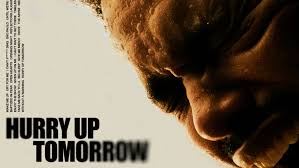
The Weeknd is a great example of an artist with longevity whose music is 100% mislabeled. Before I came up with the idea for this post, I listened to The Weeknd’s most recent album, Hurry Up Tomorrow. Although I wasn’t highly impressed with his release before this one, Hurry Up Tomorrow was highly anticipated, and I’ve always been a fan of his, so it was a must-listen. I will try to veer away from this post becoming a review of this new album, but how can I give examples of an artist’s changes over time without context, right?

Let’s start with a basic description of the album from Apple Music. The music streaming service describes the album as a “deceptively sweet R&B slow-burner.” It consists of 22 tracks and has been rumored to be his last studio album. Many critics say it’s a great farewell to his career and is one of his best projects. I’m unsure if it’s based on production quality, lyrics, or even the visuals that align with the music, but I know one thing. It wasn’t for me. Before I explain why, I’d like to note that I’m not calling Hurry Up Tomorrow a bad album because the word “bad” is arbitrary and could mean anything. Recently, I’ve tried to break the habit of saying music is bad; it just may not be meant for me. Music is a multitude of things, and what someone likes is completely subjective. That said, I’m confused about who this album was made for. The marketing for this album was centered around this being The Weeknd’s final project and that it would tie into his first project, which was released in 2011. This was supposed to be for “the OG fans,” the fans who have witnessed his growth and supported his change over the years. I was excited for this release because it felt like a full-circle moment. What I learned while listening to this album is that either I’ve misread The Weeknd for over 10 years and have never really grasped his artistry, or this album had nothing to do with the start of his career and misled a lot of people, including me.

Don’t get me wrong, there were good elements to this album. The transitions from one song to the next were one of the most memorable things I remember. There are tracks that I enjoyed enough to download to my playlist, but as a whole… I wouldn’t consider this to be one of the Weeknd’s greatest albums. As I mentioned before, there are 22 songs on the project, and out of the 22, I liked three. I even tried to wait a few weeks and give it a 3rd and 4th listen because sometimes that’s what it takes to get the feeling or message trying to be portrayed, yet the feeling never came. My list as to why I didn’t enjoy it would be much longer than the qualities I did, but the one thing that really stood out to me is that 90% of the album wasn’t R&B.

Hurry Up Tomorrow Is R&B?

I started this post by giving my definition of genre. I understand why musical genres exist. I also understand why artists tend to align with one specific genre. It’s almost like the industry doesn’t want people to evolve; probably because the industry molds artists into what they want them to be instead of letting their real artistic talent shine, but that’s a conversation for another time. The real issue I have with genres is that being tied to a specific sound of music means you’re stuck in a box for life. When I say stuck in a box, I don’t mean literally stuck making the same kind of music forever. I’m referring to stuck like The Weeknd. The man’s last three projects were 10% R&B and 90% something else, yet all of those projects were labeled R&B.

Characteristics of R&B music include rhythm and blues elements (hinting at the term R&B), soulful vocals, and an emotive delivery. It’s a genre rooted in soul, love, and vulnerability, often showing feelings of longing, passion, heartbreak, or sensuality. Lyrically, this album can possibly be labeled as R&B, but it takes more than that. I recognize that popular, modern R&B sounds nothing like R&B from the ’90s or early 2000s, but those soulful, rich vocals and deeply expressive rhythms still come through when listening to modern R&B. Did any of that show during Hurry Up Tomorrow? I guess that’s up for debate because obviously the industry still thinks it did. This album is closer to EDM, meaning Electronic Dance Music, than it is to R&B. There’s rhythm, but no blues.

Why are we calling an album something that it’s not? Some might say it’s minuscule and not something to really be bothered by. Some might say I’m reading too much into the situation, that we have bigger problems when talking about the music industry. Try and follow along with me on why this could be one of the most detrimental parts of the industry for certain artists.

Racial Bias and Genre Expectations

Black musical artists have long faced restrictive expectations to stay within certain genres, particularly hip-hop, R&B, or soul, due to deeply rooted racism and stereotypes in the music industry. These boundaries are not just stylistic but racialized, reflecting a belief that Black artists “belong” to certain sounds while being less legitimate in genres like country, rock, or indie. When Black musicians try to branch out, they are often met with skepticism, a lack of industry support, or accusations of abandoning their roots, even though their creativity spans far beyond these imposed limits. This genre-boxing not only stifles artistic freedom but also reinforces a false narrative that music is racially owned, denying the full scope of Black talent and erasing the fact that many genres, like rock and country, were heavily shaped by Black pioneers in the first place.

I started this article with an artist like The Weeknd because he’s one of the biggest artists of this 2010s and is a perfect example of what genre-boxing looks like for black people in America, but the main artist that people think of when discussing this topic isn’t The Weeknd… It’s Beyoncé. Beyoncé is a powerful example of how genre-boxing and racism persist in the music industry, despite her status as one of the most influential artists of her generation. Many people became aware of the whole Beyoncé v. Country Music Industry situation last year when her most recent album, Cowboy Carter, was released, but this conflict dates back even further than most people realize. When she released her 2022 album Renaissance, which leaned heavily into house and dance music, some critics and listeners questioned her shift away from traditional R&B or pop, as if her artistic range needed justification. Similarly, her country-influenced single “Daddy Lessons” from Lemonade was rejected by the Country Music Association for nomination, even though the song fits squarely within the genre’s framework. These reactions highlight a double standard: while white artists are often celebrated for genre experimentation, Black artists like Beyoncé are expected to remain in racialized musical lanes. Her experiences show how racial bias still limits the way Black creativity is received and validated in mainstream spaces.

Conclusion

I understand that this entire post might go over some people’s heads, but I hope it finds the right audience. There are so many artists, not only in recent years, but also 20-30 years ago, who have been mislabeled because society is scared of black artists branching out. Steve Lacey, Doja Cat, Gary Clark Jr, and Darius Rucker are just a few examples. Genre boxing is more than just a marketing tactic—it’s a reflection of the racial bias that continues to shape the music industry. By confining Black artists to specific genres like hip-hop, R&B, or soul, the industry reinforces harmful stereotypes and limits the recognition of Black creativity across the full spectrum of music. This not only stifles artistic growth but also erases the historical contributions Black musicians have made to genres like rock, country, and pop. True musical freedom means allowing artists to explore, evolve, and be celebrated for their full range of expression, without their race dictating how their work is labeled or received. Dismantling genre-boxing is essential to creating a more inclusive and honest musical landscape.

The Unknown Sound of 2025

The music world is constantly evolving, and 2025 is shaping to be a year of groundbreaking sound and innovation. As technology continues to push creative boundaries, artists are blending genres, experimenting with new production techniques, and connecting with their audiences in ways we’ve never seen before. From fresh faces poised to become household names to established stars pushing their craft into new territory, the musical landscape is set for a dynamic year ahead. In this post, I’ll recap some of the most significant music events, trends, and developments of 2024, and offer a glimpse of what 2025 holds.

AI: The Good, Bad, and Ugly

The first thing I’d like to mention about 2024’s wild year in music is the biggest elephant in the room: AI. For someone who grew up with the internet and smartphones, it was still crazy to see AI take over music and social media. I have no immediate hate against AI and think it can help in ways the common person hasn’t even thought about, but where’s the line for taking it too far? During the first few months of the year, every time I scrolled on any social media, there were posts about AI-generated songs that sounded nearly identical to many popular artists’ voices. Ariana Grande, Drake, and The Weeknd were just a few that I can remember off the top of my head. At first, they were just funny 20-second snips of a song that sounded like it could be a real release from an artist, but as time went on, they turned into full-length 3-minute songs that would blow up on TikTok or some other social media. This is when we have to ask the important question: where is the line? Who gets money for these songs? Do the artists get a say in whether they want their voices used in an AI-generated song? How do we know what’s real or not? Based on where the world is right now as I write this post, I have no doubt that AI will play an even larger role in the music industry this year. As with any other technology, there’s a good side and a bad. I have no issues with AI in music, but I feel it removes a sense of originality we desperately need in the industry. Trends are one thing, but will AI go so far as to make every artist’s music sound the same? Would everyone have similar lyrics and production styles because they all come from a machine? What’s an artist without their creativity or muse? If the AI trend continues, I hope to see it being used in useful ways and not to promote “laziness” in music.

Tomorrow is Yesterday’s Reflection

2024 was the year of “if it ain’t broke, don’t fix it,” and for someone born and raised in the South, I hope you read that quote in your head with the most country accent possible: it’s the only way. On a more serious note, many of the songs that flooded the charts in 2024 were songs that were heavily influenced by past decades and trends. From synth-heavy tracks that channel the 80s to soulful melodies straight out of the 70s, modern artists are blending nostalgia innovation in ways that feel both similar and fresh. But is this just a passing trend or a deeper reflection of how history shapes creativity? Let’s take a brief dive into how the sounds of yesterday are remixing the soundtrack of today.

If you’re a music lover like I am, as soon as you hear a song for the 1st time there are a million questions after the initial listen. If it happens to be a song with a deeper meaning, you’re dissecting the lyrics and trying to interpret the message the artists wanted you to receive. If the song is catchy you’re thinking, “Who wrote this hook?” or “Who made this beat?” If it has a sound that you know you’ve heard before but just can’t put your finger on you ask, “Who’d they sample?” Or you say something like my dad, whose favorite go-to is, “They stole this song from someone!” But is never able to figure out who they ‘stole’ it from. Let’s say you’re not a crazed music listener like me who needs to know all this information immediately…there’s one thing that almost every listener asks: Who is this? Something that almost all musical artists have in common is their distinct sound. When I use the term “distinct sound” I don’t mean that everyone on the radio has a certain kind of sound to become mainstream. I use it to refer to the individual artist and what their artistry means to them. Who are they?

2024 consisted of many mainstream artists sticking to their own artistry, but using past decades to amplify their music. 2 songs hit the #1 spot on the Billboard Hot 100 for multiple weeks and were both blatant samples from older songs. Jack Harlow’s “Lovin’ on Me” spent 5 weeks at #1 in 2024. The hook of the song comes from Cadillac Dale’s 1995 single, “Whatever (Bass Solique).” The words were kept and a bassline was added to the original song. Along with Jack’s verses and a few changes from the original sample, a new song was made. If you blindly listened to Jack Harlow’s hit without knowing the original song, you would think the entire song was original, and I’m sure there are a lot of people who do. Some people see this as the beauty of sampling…others, not so much.

The next song I’m mentioning could have a whole post to itself. It changed the course of rap last year and started one of the biggest rivalries in the hip-hop world since the 90s. If you’re not familiar, Kendrick Lamar’s diss track “Like That” was the first of many singles released targeted at one of the biggest rappers in recent years, Drake. Kendrick was accompanied by Future and producer Metro Boomin for what could be argued as one of the most popular songs of the year. The release of this song was the beginning of Kendrick’s monumental year that would eventually lead to the announcement of his headlining of Superbowl LIX. The song hit #1 on the Billboard Hot 100 on April 6,2024 and stayed in the top spot for 3 consecutive weeks. When you type the generic question asking who Kendrick sampled, multiple sources claim Metro Boomin, sampled many songs, but the main song that’s credited as a sample is “Everlasting Bass” by Rodney O and Joe Cooley. Within the first 5 seconds of “Like That,” you can hear the influence of the sampled song. Unlike Jack Harlow’s hit, the majority of the sample is the beat and not the lyrics.

Those two songs are just a fraction of how older music is used and remixed for today’s listeners. As I mentioned earlier, each artist has their own sound that showcases who they are as a musician. Some artists take a specific decade or trend and make use of it throughout their entire catalog. Leon Bridges, for example, is considered to be an R&B artist in the broadest sense. Wikipedia describes his most recent album as “progressive soul,” but what does that truly mean? It’s obvious he’s inspired by the 50s and 60s soulful sound. He’s Ottis Redding, Bobby Womack, and Stevie Wonder all in one. Leon is heavily influenced by an era of music and uses that era of music he loves to his advantage. Other artists like Dua Lipa and The Weeknd have switched up their sound within the last few years, taking on an 80s aesthetic. Even artists who’ve been making music for two decades have used this tactic recently. The rock band Fall Out Boy, whose first album was released in 2003, released a remake of icon Billy Joel’s “We Didn’t Start The Fire.” Of course, Fall Out Boy modernized the original song and made it relatable to today’s listeners, but the bones and structure of Billy Joel’s initial hit are still there. As we stream the latest releases, let’s embrace the echoes of the past and appreciate how they shape the soundtrack of our present. Will 2025 consist of more artists tackling the task of using older music to relate to current listeners? Or will we see more originality in the upcoming months?

Emerging Artists to Look Out For

2024 shined a light on multiple artists who, before now had a fanbase, but weren’t blown up to the level they’re at as I write this post. Artists like Sabrina Carpenter, Chappell Roan, and Raye are just a few to mention. 2024 was their year, and it was impossible to drive 5 minutes down the street without hearing one of their songs on the radio. As someone who listens to music daily and (no offense to the radio) doesn’t want to hear the same 15 songs on repeat all day, shuffling my same three playlists multiple times a day is usually my go-to. Unfortunately, that can also get boring…especially if I haven’t updated the playlists in ages. Recently I’ve tried to make an effort to listen to at least 1 or 2 new artists a week, and based on their creativity and recent releases, here are three artists I think will have their biggest year yet in 2025:

  • Trent the HOOLiGAN
Trent in 2023

Trent the HOOLliGAN is a breath of fresh air in the rap game, blending raw lyricism with introspective storytelling that hits straight to the soul. With a sound that feels simultaneously classic and innovative, he channels the grit and authenticity of golden-era hip-hop while weaving in modern elements that keep his music fresh. His delivery is sharp yet reflective, often diving into themes of resilience, personal growth, and the realities of life. Whether he’s spitting over soulful beats or harder, head-nodding production, Trent the HOOLliGAN proves he’s an artist who values substance as much as style, carving out a lane that’s all his own. If I’m being honest he’s probably my favorite newer artist. As a fan of conscious and lyrical rap, it’s nice to see someone from the newer generation trying to take the reins, especially because he does it so well. Two songs that I would recommend to someone who’s never listened to him would be “FLWRZ,” or “WARNiNGSHOT!” both released in 2023.

  • Khamari
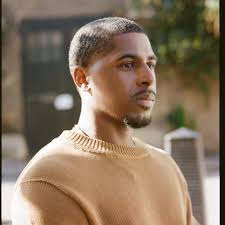
Khamari in 2024

Khamari is quickly emerging as one of the most exciting voices in modern R&B, blending soulful melodies with introspective lyrics that resonate deeply. His music feels both timeless and fresh, drawing inspiration from legends like Stevie Wonder and D’Angelo while carving out a sound that’s unmistakably his own. Whether it’s his smooth falsetto, heartfelt storytelling, or minimalist yet captivating production, Khamari’s artistry has a way of pulling listeners into his world. With tracks that explore love, growth, and self-discovery, he’s not just making music—he’s crafting experiences that linger long after the last note fades. Khamari is the kind of artist that gives me hope for the R&B world. The argument that R&B is dead is solely a waste of breath if you’ve listened to anything he’s released. My favorite songs by him currently are “These Four Walls” and “Drifting” both from his debut album A Brief Nirvana.

  • Balu Brigada
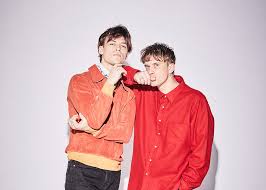
Balu Brigada in 2023

Balu Brigada is the kind of band that feels like they’re curating the perfect playlist for your life. Hailing from New Zealand, this sibling-led group blends infectious grooves, dreamy melodies, and introspective lyrics into a sound that’s uniquely their own. Their music dances between indie-pop, R&B, and alt-rock, creating a vibe that’s as chill as it is deeply emotive. Whether it’s their sharp songwriting or the effortless charisma they bring to every track, Balu Brigada manages to hit that sweet spot where artistry meets relatability. With each release, they continue to prove they’re a rising force worth keeping on repeat. I initially found this group when I went to see Twenty One Pilots on their Clancy World Tour. Balu Brigada opened the show, and I left the arena that night not only blasting my favorite Twenty One Pilots songs but also listening to all that I could of Balu Brigada’s most recent releases because that’s how great they sounded live on stage. They had a great vibe and I was intrigued. The two songs I have on repeat by them right now are “Designer” and “Another Day,” both from their EP Find a Way.

Conclusion

The future of music is as unpredictable as ever, but it’s definitely going to be one exciting ride. With technology continuing to push creative boundaries, genres blurring more than ever, and global influences shaping a truly borderless soundscape, the music of tomorrow promises to be both innovative and deeply personal. Whether it’s through AI-crafted melodies, hyper-experimental production, or a nostalgic revival of sounds we thought we left behind, 2025 will undoubtedly deliver music that surprises, inspires, and connects us in new ways. One thing is certain: the soundtrack of the future will be shaped by the daring visions of today’s artists, who refuse to settle for anything less than greatness. What are you looking forward to this year in music? Are there artists that you believe will have their spotlight this year, similar to Sabrina Carpenter or Chappell Roan? Please feel free to share your thoughts on 2024’s music highlights and what you’re excited to see in 2025.